
Hey, Writers!
Let’s start the blog with a question.
Which story do you feel is more interesting: one where a strong protagonist leads the way or one where a strong antagonist takes center stage?
I know, you’re puzzling, but think about it once.
Just like the previous blog, if your protagonist seems strong from the beginning, there is no story. The opposite happens in the case of an antagonist. If it seems too weak or unrelatable, the audience will lose interest in seeing the story. A weak antagonist means neither a gripping story nor a suspenseful climax.
If you already know who will win the race, that means no viewer will be stuck to the seat for two hours.

Always remember that every hero needs a mirror, and that mirror is the antagonist. This antagonist should be so powerful that it tests the hero’s ultimate strength. It doesn’t mean the writer creates an antagonist like a machine or a flawless person. You’re not making that mistake before building their antagonist, that’s why I’m here.
In this blog, we’ll explore what defines an antagonist, the psychology behind creating a compelling one, essential steps for building them effectively, and common pitfalls to avoid.
Let’s dive into it.
What Is an Antagonist?
An antagonist is a strong opposing character who opposes the protagonist’s goal. It is the storm that tests the hero’s strength. It could be a person or a system, but it seems impossible to defeat. It does not always need to be cruel or violent; they need to be convincing and necessary.
An antagonist forcefully stands against the protagonist, holding opposing values, beliefs, and morals. This strong force always raises the stakes, creates tension, and builds conflicts for the protagonist. Their every action should be written so cleverly and convincingly that it keeps readers and viewers invested.
But, be remembered, an antagonist’s want also feels right as the protagonist’s. It depends on their backstory, where their morals started to build. Sometimes, they even believe they’re saving the world. They believe they are right because circumstances forced them to become what they are today.
A truly powerful antagonist demands an understanding of human psychology, moral ambiguity, and emotional truth. Don’t make the mistake of thinking that an antagonist is the secondary character. It is the most essential force that decides the protagonist’s journey.
Why Does A Strong Antagonist Matter?
- A powerful antagonist fuels the narrative by creating obstacles. Those obstacles force the protagonist to act, change, and evolve. It drives the story forward and keeps it engaging and purpose-driven.
- It creates tensions and conflicts. A strong antagonist ensures that growth happens through struggle and pain. Their actions give the story urgency and emotional depth.
- A strong antagonist tests the protagonist’s morals, knowledge, values, wants, and integrity by challenging their opposing nature.
- It reveals the protagonists’ weaknesses and pushes them toward growth or self-destruction.
- A strong villain makes the final confrontation thrilling and meaningful. The tougher the opponent, the more satisfying the ending becomes.
- A layered antagonist provides insight into human behaviour. It shows how trauma, ambition, or belief can twist someone into darkness.
- It encourages the audience to ask what is right or wrong. They blur moral lines and evoke empathy for someone they should hate.
- A strong antagonist affects everyone in the story, not just the hero. Through their ideology and choices, a story highlights their core theme.
- A clever antagonist forces the writer to craft smarter plots. Their unpredictability pushes the narrative toward complex decisions and high-stakes moments.
Even after the story ends, audiences remember a strong antagonist. Their motivations, presence, and moral complexity make the story timeless and emotionally resonant.
Now, to create an influential antagonist, we’ll move to the most essential part of the blog.
How to Build an Influential Antagonist (Essential Elements Explained!)
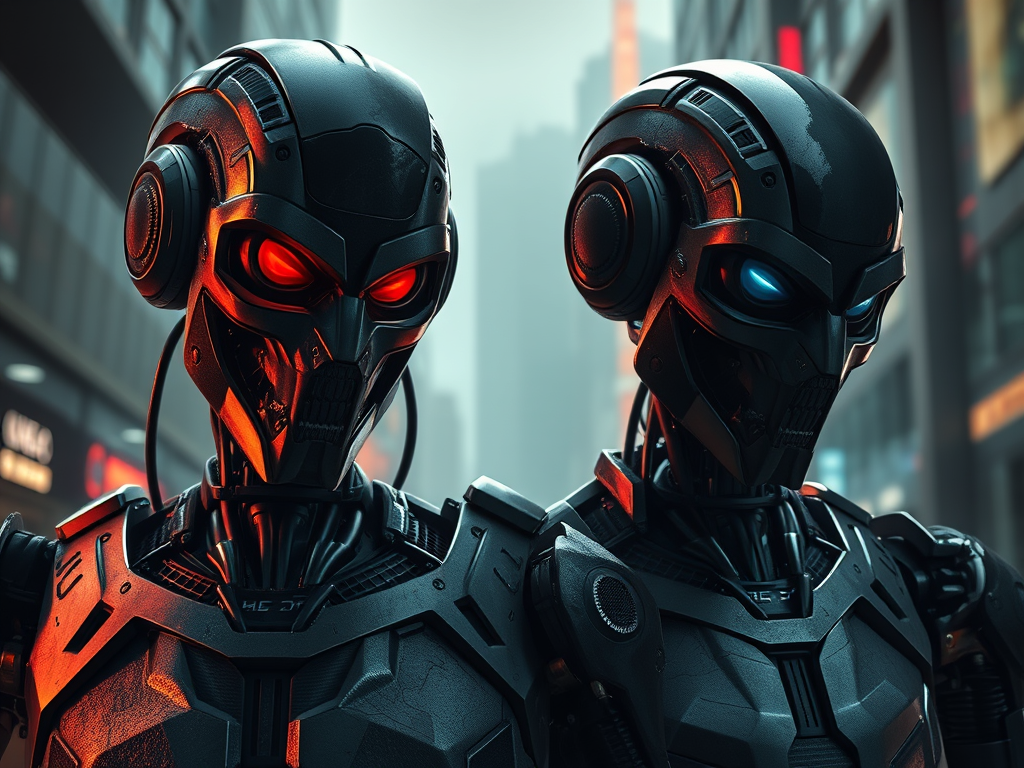
Understanding people helps in creating real antagonists. Every person acts because of their needs, fears, desires, or beliefs. When writers study why people hurt or oppose others, their villains feel more real and layered.
Here are some points that can help writers create powerful antagonists.
1. Make the Opponent Necessary
A story without a worthy opponent makes no sense and leaves the chance to become a nice watch. It easily fails to grip the audience’s attention. The antagonist should be someone with strong morals, beliefs, and power. It should be necessary to test your hero truly. Their presence must make the story inevitable.
2. Make Them Human with Reasons
A great antagonist has emotions, fears, and flaws. They laugh, doubt themselves, and sometimes even show kindness that makes them real. Even in the greatest stories, where machines, animals, or a system are used to play the antagonist’s role, they are full of emotions. Remember, Robot, where machines developed feelings. Godzilla gathers food(fishes) for their kids. My Best friend Anne Frank, where a powerful political system affects multiple lives by snatching their independence.
The antagonists are all about emotions. Emotions that make us human and connect with them. Nobody is perfect; everyone has different morals and ethics. That’s why, give them real fears, desires, insecurities, and relationships. Make them human with reasons.
3. Give Them a Clear Goal
What does your antagonist truly want? Clarify this question with a clear answer. If your antagonist confuses between the story with “why and what,” your story will collapse. Their every action depends on this clear want. It should be specific, logical, and morally right from the antagonist’s perspective.
4. Give Them Values Opposite to the Protagonist’s
One of the most effective ways to make an antagonist memorable is by giving them values that completely oppose the protagonist. The antagonist’s worldview should clash directly with the hero’s core values. If the hero stands for freedom, the antagonist should be obsessed with control.
When two characters stand on opposite ends of the moral compass, every decision, argument, or action becomes charged with meaning. These opposite ideologies allow the story to explore deeper questions: Who is truly right? How far can someone go for what they believe in?
5. Give the Opponent a Strong but Flawed Moral Argument
A strong antagonist believes he is “right,” even when his methods are wrong. This moral complexity makes them compelling and thought-provoking. They might fight for justice, peace, or love, but in a twisted way that harms others.
For example,
Thanos genuinely believes his plan will restore balance. He alone decided what was best for the universe. Denies others the right to choose their fate. His moral argument sounds rational, but he sought order through destruction. That has a flawed moral argument.
The antagonist’s reasoning should sound logical at first, but hides some selfishness underneath. This kind of moral confusion makes the audience think and sometimes even sympathise with the villain. Their logic is strong, but their moral compass is flawed. That’s what creates tension.
6. Give Them Certain Similarities to the Hero
The greatest conflicts come from mirrors, not opposites. A great antagonist often shares the hero’s traits — ambition, intelligence, pain- but uses them differently. This reflection allows the audience to see how different choices can lead two similar individuals down completely opposite paths.
For example, both the hero and antagonist might be intelligent, strategic, or ambitious. Yet, while the hero uses these qualities to protect, the antagonist channels them toward harmful goals.
Ultimately, giving the antagonist similarities to the hero transforms them from a mere obstacle into a compelling one.
7. Keep Them in the Same Place as the Hero
When both characters share the same environment, whether a city, workplace, school, or even a small village, the stakes feel real. It is a key strategy to heighten tension and make conflicts more personal.
Their every interaction carries weight. Try to confront each other repeatedly. That creates suspense and opportunities for subtle battles, psychological games, or social maneuvering. This closeness also allows the antagonist to influence the hero’s world directly. When the hero and antagonist share the same space, they can’t ignore each other; their clash becomes personal and inevitable.
8. Fear: What are they afraid of losing?
A strong antagonist becomes more believable when you understand their fears. Fears are a part of human life. We all have fears of something; it might be losing power, loved ones, reputation, freedom, career, and so on. Their actions are often driven not only by desire but also by the fear of losing these things. A villain seeking revenge may fear being powerless or forgotten.
By exploring what an antagonist fears losing, writers can add psychological depth and complexity. Fear makes the antagonist unpredictable and tense. Ultimately, fear is a powerful tool to make an antagonist a human, relatable, and memorable.
9. Backstory
Backstory is the foundation of every character sketch. Every action or decision taken by any character depends on their moral values and the circumstances that they experience in the past. A strong antagonist isn’t born evil; they are shaped by their experiences.
Their backstory explains why they became who they are. It helps the audience understand their decisions, even if they don’t agree with them. These experiences make their actions consistent throughout the story.
10. Unique Motivation
A strong antagonist does not have a single aim to defeat the protagonist. Their goal should be more than that. It may be to kill all humans, to establish robots on the Earth, to create new species, to develop any virus, to rule over the world, to win a case, to take revenge, or anything. And that goal is achievable by a unique motivation.
Why do they want to achieve that goal? What’s at stake if they lose?
Something that becomes very essential for them, and for that, they need a unique motivation to achieve that something. This motivation shapes decisions, dialogue, and conflicts. It gives the story direction and purpose. The deeper their motivation, the more layered and memorable they become.
Common Mistakes Writers Make When Creating a Strong Antagonist.
Understanding common pitfalls helps writers craft villains who are believable, memorable, and capable of challenging the hero in meaningful and engaging ways.
Here are some suggestions that should be avoided while crafting an antagonist
- Don’t make your antagonist evil without reason. Give them a clear reason, past experience, or belief system that justifies their actions.
- Skipping backstory makes an antagonist flat and unrealistic. A strong antagonist needs a past that shaped their present behaviour. Show what pain, failure, or dream turned them this way.
- If the villain is too strong, the story loses balance. The hero should struggle but still have a chance to win. A little weakness makes them more interesting and allows real tension between hero and villain.
- A villain without a clear goal feels purposeless. Their need should be specific they’re trying to achieve.
- If the antagonist and hero aren’t personally linked, the conflict feels empty. Connect them through shared history, relationships, or values.
- Predictability weakens tension and reduces emotional impact. A clever or unpredictable villain adds suspense and keeps the reader guessing. Surprise your audience with their decisions or strategies.
- Hiding feelings makes an antagonist robotic. Showing emotional layers helps the audience relate, even if they disagree with the villain’s choices.
- A weak antagonist makes the hero’s journey too easy. The villain should push the hero to grow, fail, and rise stronger. Without real challenges, there’s no transformation. Focus on creating an intelligent and clever antagonist.
- If the antagonist fails every time, the tension disappears. Let them succeed in smaller moments. It raises the stakes and shows their power. When villains win occasionally, the hero’s final victory feels more earned and satisfying.
- Antagonists also have relationships. Ignoring these connections limits realism. Show how they treat allies, subordinates, or loved ones. Their relationships also highlight their values.
- Heroes grow, but villains can too. Ignoring their change wastes potential. Showing a villain’s transformation adds emotional depth and realism.
- A real antagonist truly believes they can win. Give them confidence and vision. They must think they’re the hero of their story, not a villain.
Final Words
The antagonist isn’t the darkness outside us; it’s the shadow within, asking to be seen.
So the next time you write your story’s opposition, don’t create a monster. Create a human who believes they’re right. Because sometimes, that’s the scariest kind of truth.
Now,
Your Turn, writer!
Are you ready to craft an unforgettable antagonist?
I want to hear from you!
Drop a comment with your favourite tip, share this with your fellow storytellers, and give us your feedback. Your every word matters to us.
Let’s create a community where writers inspire and learn from each other!
Simran Thakur
Founder AFAWW
Audio Story Scriptwriter| Screenwriter| Author| Blogger| Poet











Leave a comment