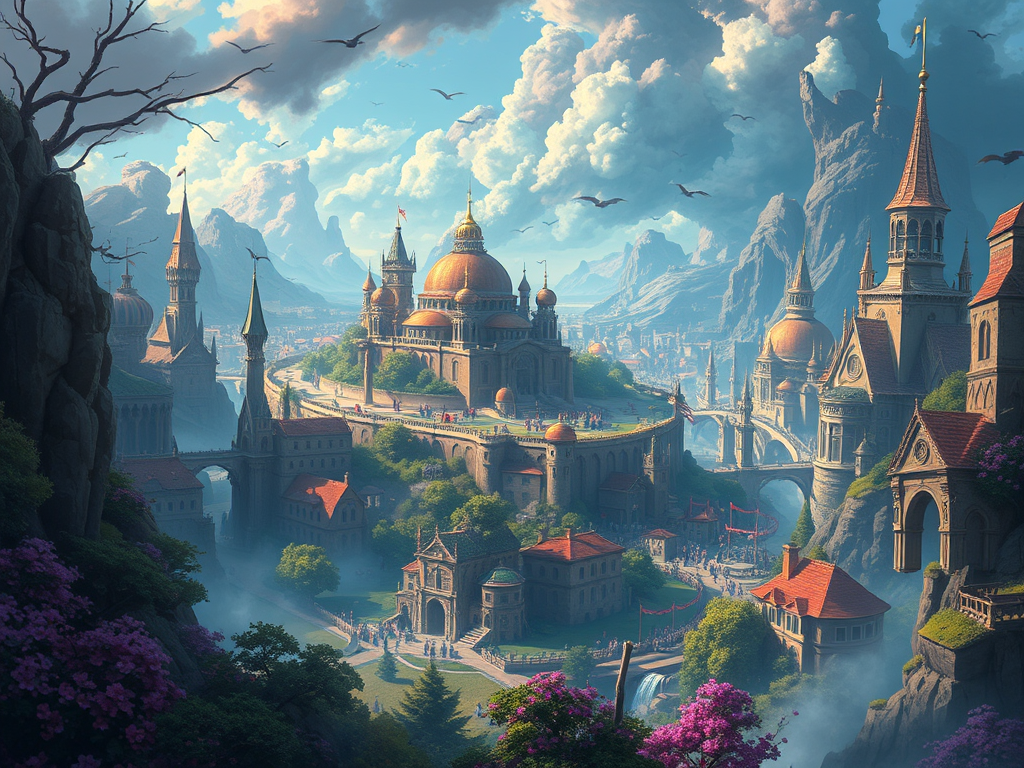
I remember when I entered the writing field five years ago, World-building was the second thing that came into this beautiful journey. My mentors suggested that everyone be focused on world-building. I always wondered why they were consistently forced to learn profoundly about the world-building. And when I started to learn and create, then I realised the magic of world-building. It is the foundation of every writing pattern, including authoring, audio story scriptwriting, and screenwriting.
The concept of world-building is always at the core of writing, encompassing plot, 3-Act structure, characters, dialogue, scenes, and synopsis. Without a strong world, your characters look scattered. Your scenes look faded, or your story couldn’t be aligned with what you want.
It holds the essence of the story and connects to virtual reality in a way that seems credible.
Okay, tell me.
When you pick up a story, what makes you turn the page after the first few chapters? Of course, the characters and plot keep you hooked. But often, it’s something deeper: the world in which those characters are struggling.
World-building is not only for fantasy or science fiction. A romance set in Delhi, a crime thriller in Mumbai, or a historical saga in Rajasthan. All demand worlds that breathe authenticity. A good story doesn’t just tell you what happens; it invites you to live there.
So, I’m here, with my other blog.
In this blog, we’ll discuss about every essential factor that comes in the journey of writing a world. If you’re interested to learn what world-building is, why it matters, how it shapes characters, drives plots, and some practical tips, you’re in the right place.
Don’t try to skip, so that next time your world will speak on screen rather than in your journal.
So, don’t wait. Let’s dive into it.
What Is World-Building?
World-building is the process of creating the environment in which your story takes place. It is the collection of geography, culture, traditions, history, technology, economy, politics, and sensory experiences that shape how your characters live.
World-building is like a stage. Without a believable stage, even the strongest actors lose their magic.
Types of world-building
There are four types of world-building. Each one creates a story world differently.
- Hard World-Building
This is when a story’s world has clear rules and systems. Everything works in a logical way, and the reader and viewers know exactly how.
For example, how magic works, how a spaceship flies, or how a government runs. It’s neat, detailed, and leaves little confusion.
- Soft World-Building
Here, the world feels magical or mysterious, but not everything is explained. You just accept it as it is. Like, a door suddenly opens to another world, or a toy talks, but no one tells you why. It’s more about wonder than strict logic.
- Top-Down World-Building
This means starting big and then moving small. First, you design the entire world — its history, cultures, maps, and big events. Then, you move to small places and characters. It’s like planning a whole country before writing about one family living there.
- Bottom-Up World-Building
This is the opposite. You start small, perhaps with just one street, one house, or one group of friends. As the story grows, the world slowly expands. The reader discovers new parts of the world with time. It feels natural, like exploring along with the characters.
World-building is about making stories feel real, logical, and detailed in every genre.
Why World-Building Matters in a Story
A well-crafted world makes a story believable and immersive. If your world doesn’t suit the characters and plot, the story will never work.
- It gives authenticity to your story.
- It defines the rules and boundaries within which your characters struggle.
- It even deepens themes and the whole ecosystem.
- It drives the plot with more clarity and believable conflicts.
- It pulls readers to step inside the story themselves.
- It is a mirror or a highlight of the big ideas the writer wants to explore.
- Precision, naturalness, and regional taste are the core of world-building.
For example, In Panchayat, the UP village feels authentic due to its Bhojpuri conversations, rural settings, and natural political gossip.
Always remember: A flimsy world = a forgettable story.
A strong world = a living legacy.
How World-Building Shapes Characters
The story of “Drishyam” is a story of a common man whose daughter accidentally kills the son of the IG Meera. Now, this common man has to save his family at any cost.
The word “common man” is the world behind the story.
You can’t show Vijay Salgaonkar’s world or character as opulent. Why? Because he is a common man who failed in the 4th grade. The world around him resembles a common man and their life. In that situation, the world should clarify the common man on screen.
Like that, you are never ready to accept Bhuvan’s character from “Lagaan,” with money, rich accessories, costly clothes, etc. Why? Because the world writer created belongs to a village that was suffering from a flood. They have no food, so they have nothing to pay as lagaan. Bhuvan is the son of a farmer, who is a victim of this natural calamity. That’s why Bhuvan and his fellow villagers appear thin, dress in traditional clothes, and speak in their local dialect.
Because the world of a story never allows him to get out of it.
In the best stories, the world itself acts as a character. It has moods, it poses challenges, and it shapes destinies. Environment builds identity. It defines beliefs, flaws, habits, and even language.
When world-building is strong, characters act consistently because they are shaped by the soil beneath their feet.
- Viewers of Panchayat connect because they recognise the simplicity, frustrations, and jugaad of rural India.
- Sacred Games pulls audiences worldwide because Mumbai’s chaos feels very authentic.
- Ramayana and Mahabharata endure because readers can picture Ayodhya, Kurukshetra, forests, and palaces with stunning clarity.
The equation is simple: If the world feels real, the characters feel real. And if characters feel real, the audience cares.
How World-Building Drives Plot
Every world has rules, whether laws, traditions, or magical systems that guide character behaviour. These boundaries force characters to adapt, bend, or break them, which drives the plot.
Every setting has unique hurdles. A desert world creates thirst and survival challenges, while a futuristic cyber-world may trap characters in digital warfare. These obstacles aren’t random; they’re crafted by the world itself.
Well-designed worlds hold secrets. Hidden histories, unspoken rules, forbidden areas that surprise characters and readers. When revealed, these elements change the direction of the story, creating unexpected plot twists.
The higher the risks in a world, the more gripping the plot becomes. If survival depends on the situation, every character’s decision carries weight. This investment ensures the plot flows naturally, with the audience eager to stay immersed.
Key Elements of World-Building Every Writer Should Master
World-building is not about dumping everything as information into your story. Viewers or readers don’t want lectures; they want experiences. A world should feel precise yet organic.
The trick is balance: know more than you show. Write pages of backstory if needed, but reveal only the parts that matter to your character’s journey. That’s how the world feels lived-in, not forced.
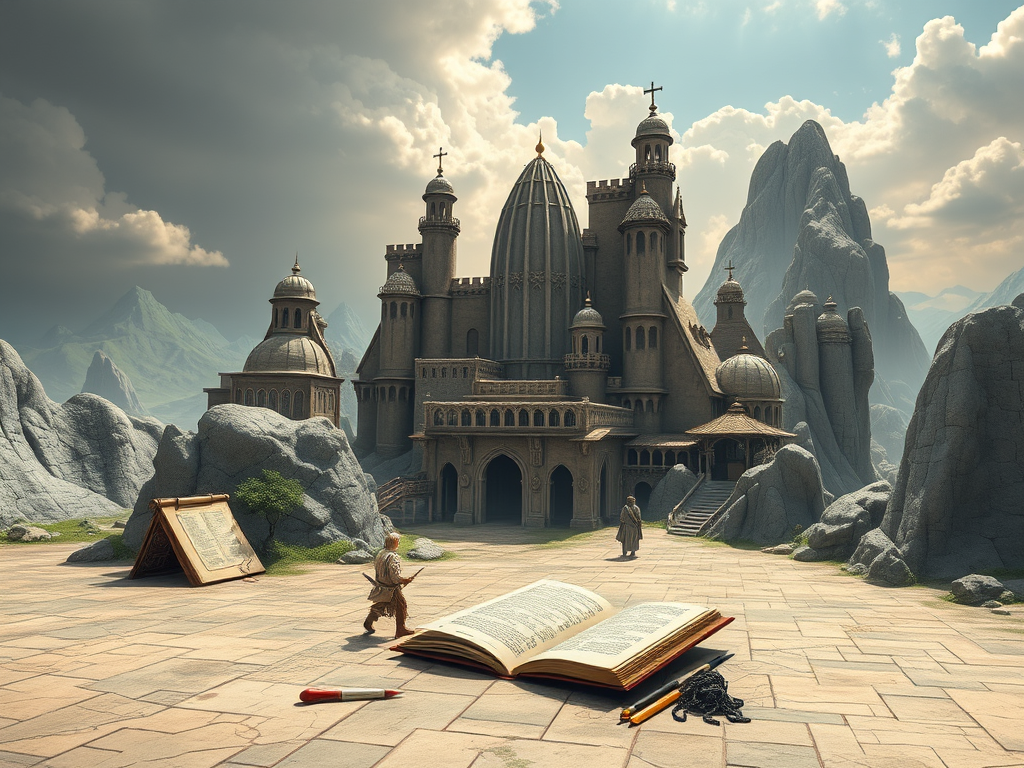
When you build a world, you’re layering details that give readers the sense of stepping into that universe. Some essential elements include:
- Geography & Setting: The physical environment where the story unfolds. Deserts, forests, villages, or bustling cities influence how characters live and what they value. Setting controls the mood and direction of the story.
- Culture & Traditions: Culture shapes what people believe, celebrate, and do. The flavours of local food, the style of clothing, vibrant festivals, familiar music, and unique rituals all breathe life into your world. These rich details anchor your story in authenticity.
- History: Every world has a past—old wars, family feuds, or myths. These stories shape the present and influence characters’ decisions. History explains why kingdoms fight or families clash. Adds mystery and depth to the world and the reasons behind every decision.
- Politics & Power: Politics shows who controls the world and who wants to change it. Power creates tension, whether it’s between kings and rebels or teachers and students. Even small towns have leaders and rules. These struggles decide how characters act, whether they obey, fight back, or betray.
- Economy & Daily Life: Stories feel real when we see how people work, eat, and survive. Farmers, shopkeepers, or factory workers live by the rules of money and trade. The economy shows struggles of poverty, class, or dreams of success.
- Technology or Magic Systems: Every world has tools, either machines or magic, that decide what’s possible. Technology may give flying cars, while magic may allow spells. But these must follow clear rules. Consistent systems make the world believable and exciting.
Practical Tips for Writers
Use the Iceberg Method: Let 90% of your world stay in your notes and reveal only 10% in the story. Base your details on real places for richness. Visit markets, talk to locals, or study architecture. Learn more, experience more, and write only what makes your world unforgettable.
Five Most Common Mistakes Writers Make During World-Building
1. Overloading with Details
Writers often get so excited about their worlds that they describe every tree, mountain, or building in extreme detail. These details matter, but dumping them all at once slows the story. Good world-building is about balance. Show only what connects to the plot or characters.
2. Ignoring Consistency
Consistency is what makes a world believable. If writers create rules about how magic works, how technology functions, they must follow them. Consistency builds trust between the writer and audience. Once trust is broken, readers stop caring.
3. Forgetting Character Connection
Some writers create beautifully detailed worlds but forget how characters actually live within them. A world without character feels hollow. Readers want to know how ordinary people eat, celebrate, or struggle in that world. World matters when they affect characters’ daily lives. Without this connection, the story feels lifeless.
4. Copy-Pasting Cultures or History
It’s common for writers to borrow from real cultures, but copy without thought or respect. It feels lazy and sometimes offensive. Cultures should be inspired, not stolen. Writers should deeply research and understand their roots and traditions. Good world-building honours diversity while staying imaginative.
5. Flat Geography
Some worlds feel unrealistic because their geography doesn’t affect the story. Writers sometimes create a map for decoration, not realising geography shapes trade, wars, and character journeys. Flat geography makes travel feel easy and unimportant, while thoughtful landscapes add richness.
As writers, our responsibility is not only to tell stories but to invite people into homes they’ll never forget. So, whether you’re crafting a grand kingdom like Baahubali or a simple village like Panchayat, remember your world is your audience. And if that world is unforgettable, so will your story be.
Final Words
You’ve seen how world-building shapes not just a story but a legacy. Now I want to hear from you. What’s the most unforgettable story world you’ve ever visited as an audience member? Or, if you’re a writer, what kind of world are you building right now?
Drop your thoughts below & share this with a fellow writer who’s dreaming up their own world.
Because every world you build could become someone’s second home.
Your turn, writers.
- Write one paragraph about your character’s hometown. You can include culture, history, theme, technology, economy, or fragrance.
- Imagine your story world 100 years in the past. What was different?
- Create a “world rulebook” with just five points: power, fear, belief, conflict, and survival.
Don’t forget to share your feedback through comments or the feedback form. Your every word matters to us.
Simran Thakur
Founder AFAWW
Audio Story Scriptwriter| Author| Poet| Blogger












Leave a comment