
About four years ago, when I was learning the craft of character creation, one lesson echoed from all my mentors: “Always start with your protagonist.”
Like many new writers, I was eager to create the “perfect” hero — powerful, inspiring, flawless. But soon, I realised I was wrong. No one wants to watch or read a story where the protagonist wins easily without struggle or growth. What truly connects the audience is their journey, their struggles, emotions, desires, imperfections, and transformation.
A protagonist should always be weaker than the antagonist, at least in the beginning. That’s what makes the story interesting, believable, and emotionally rich. Your protagonist must learn, evolve, and grow; that’s what we call a character arc. They may have clear desires, but their morals, flaws, and fears make them human.
During those years, I discovered a few secret ingredients that turn an ordinary protagonist into an unforgettable one. And I know many of you might have made the same mistake, trying too hard to create a “great” hero. Don’t worry, you’re not alone.
In this blog, I’ll share the 6 essential elements of a protagonist to help you craft a character that the audience will remember forever.
Let’s dive into it.
What Is a Protagonist?
A protagonist is much more than a lead role. It is a central character in a story, and everything that happens will surely revolve around this character. Its desires, morals, struggles, emotions, choices, actions, and transformations drive the plot. A well-crafted protagonist hooks the audience and gives them a reason to care.
Why does it matter?
- The protagonist’s goals and desires set the plot in motion. Without a protagonist, the story lacks direction and momentum.
- When the protagonist struggles, fears, or triumphs, the audience feels it too. Their flaws and vulnerabilities make them relatable and human.
- The protagonist embodies the story’s core message. If the theme is courage, the protagonist must face fear; if it’s love, they must confront loneliness or loss. The story communicates its meaning through the Protagonist.
- A strong protagonist grows over the course of the story. Their evolution, from weakness to strength, or fear to courage, gives the narrative emotional depth and engagement.
- People remember stories because of characters, not just events. A compelling protagonist, their path of learning, change, and discovery makes the story memorable long after it ends.
These points explain why it matters. Now, let’s explore the six essential elements every storyteller must follow.
6 Must-Have Elements for Writers to Create an Unforgettable Protagonist
Behind every great story is a protagonist who isn’t perfect but unforgettable. Following these steps ensures your protagonist feels real, struggles, learns, and grows. It will leave a lasting impact on anyone who experiences your story.
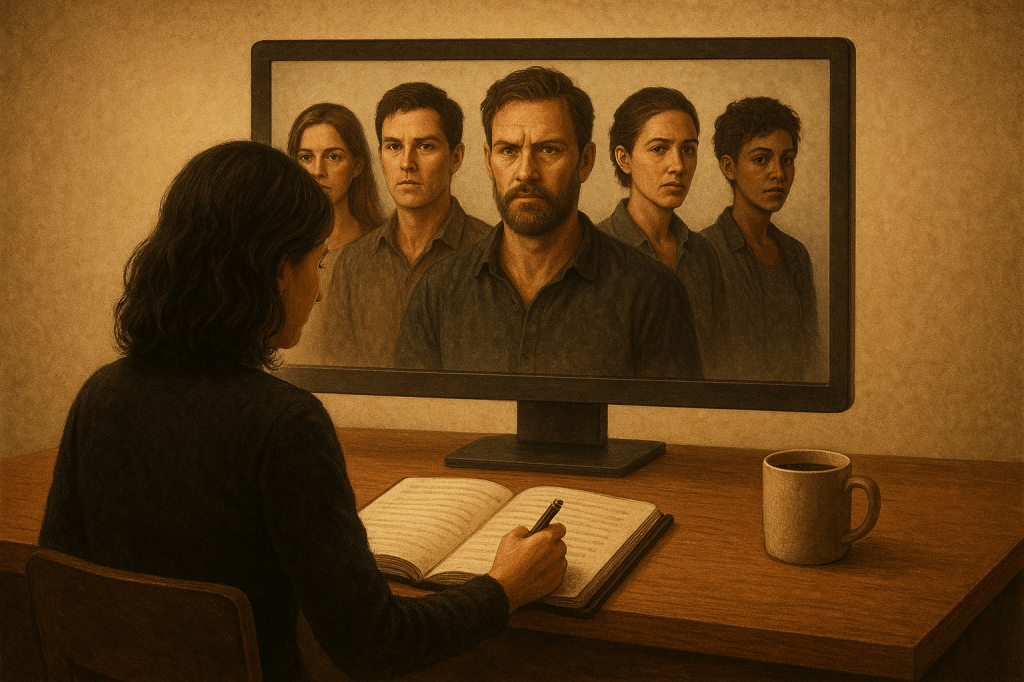
Step 1: Building the Foundation of a Great Protagonist
A well-built protagonist is not just a character; they are the emotional engine that keeps audiences invested. To make your hero unforgettable, they must pass what we call the “hero test.” This test ensures that your protagonist isn’t just likable, but also layered, relatable, and emotionally engaging.
Let’s explore the three essential aspects of this foundation.
- Make Your Lead Constantly Fascinating
A great protagonist should never feel predictable or one-dimensional. Every scene must reveal something intriguing about them. A new shade of their personality with every chapter that makes us question what they’ll do next. Fascination often lies in contrast: the brave hero with secret fears, or the kind soul capable of anger.
Remember, fascination isn’t about perfection; it’s about unpredictability. That’s how a protagonist remains alive in the audience’s mind long after the story ends.
- Let the Audience Identify, But Not Too Much
Relatability forms the bridge between your character and the audience’s heart. Audiences should see fragments of themselves in your protagonist’s struggles, fears, or dreams. However, if your hero becomes too similar, they lose their mystery and engagement.
The key is balance. Make them human enough to be understood, but extraordinary enough to be admired. That thin line keeps the audience hooked.
- Build Empathy, Not Sympathy
Empathy connects us to a protagonist’s emotions; sympathy distances us by evoking pity for them. Your goal is not to make the audience feel sorry for your protagonist. A protagonist who earns empathy doesn’t need to be flawless; they need to be real. When the audience emotionally experiences what the hero does, they stop being observers and start becoming participants in the story.
Step 2: Character Change
A truly unforgettable protagonist doesn’t just move through the story; they evolve within it. There is always a situation that forces them to take an unpredictable decision that rewrites their story. That one situation should be very powerful, which not only shook the protagonist’s world but also the audience’s expectations. This situation can be built through three powerful techniques: The Double Reversal, The Wound, and The Architect of his own misery.
- Double Reversal
At the beginning of the story, your hero believes the world functions a certain way. The deeper they cling to this illusion, the more they suffer. Then comes the turning point, the reversal. The double reversal technique creates two consecutive twists, surprising the audience and heightening tension. It deepens emotional impact, reveals character complexity, and keeps the story unpredictable. The double reversal shows that change is not linear, it’s painful, messy, and earned. And that’s why it feels real.
- A Wound
Every great protagonist carries an invisible scar, a wound that silently dictates their emotions, fears, and choices. It could be the betrayal, rejection, or guilt. This wound becomes their hidden compass, steering every decision they make. Without this emotional scar, your protagonist feels hollow. But with it, they gain soul, conflict, and the capacity for change.
As the story unfolds, confronting this wound becomes their true quest.
- The Architect of His Own Misery Technique
The architect of one’s own misery is a character whose flaws or choices cause their suffering. This deepens storytelling. It reveals how internal conflict shapes destiny. It makes the hero both the creator and victim of their emotional or moral downfall.
The most unforgettable protagonists are not perfect survivors of chaos; they are the creators of it. Watching them spiral due to their own decisions builds emotional depth and moral complexity.
Step 3: The Driving Engine of a Protagonist: A Desire and Need
Every great protagonist has a want and need. Without this want and need, there is no story, no journey. These concepts force the protagonist to make unacceptable decisions.
Desire and need give purpose to their actions, direction to their struggles, and rhythm to your plot. To craft a truly unforgettable protagonist, you must balance four forces: External Desire, Internal Desire, Moral Need, and Psychological Need.
- A Clear Want or External Desire
Without a strong “want,” your story lacks motion. At the core of every story is a hero who wants something. This is their visible mission, the one the audience can clearly see and root for. This external desire gives your protagonist urgency and focus. Every scene, obstacle, and decision revolves around achieving this goal.
Remember: the audience follows the character’s hunger that keeps them moving even when everything falls apart.
- Internal Desire
Beneath every visible goal, a hidden longing exists. It’s not about what your hero does, but what they want to feel complete. This internal desire creates emotional connection and vulnerability with the audience. It allows everyone to feel rather than just watch.
When your protagonist’s internal desire clashes with their external goal, that’s where the story truly comes alive.
- The Moral Need
The moral need is about how your protagonist relates to others. It’s the lesson they must learn to become better human beings. A selfish person might learn empathy. A liar might discover the strength of truth. This growth defines their moral arc.
When your character’s actions begin to serve others, their transformation feels complete and emotionally satisfying for the audience.
- The Psychological Need
The psychological need stems from your protagonist’s inner wound or fear. It’s what they must confront to heal. Often, this need is hidden even from them. A hero might need to overcome fear of failure, forgive themselves, or accept love after loss.
This is where your story gains emotional depth. When the moral conflict mirrors the protagonist’s psychological healing, the protagonist finally achieves victory over themselves.
Step 4: Strengths, Weaknesses, & Bold Choices
A powerful protagonist is not defined by perfection. Their strengths make them admirable, and their weaknesses make them relatable. But what truly sets them apart are the bold choices they make when fear stands in their way.
- Strengths That Inspire
Your protagonist’s strengths are the qualities that make the audience admire. These can be courage, intelligence, empathy, or persistence. However, remember that strengths should feel earned, not gifted. A hero’s strength should align with their purpose and values. That should show that greatness isn’t about power, but about using it even when the odds are against you.
- Weaknesses That Ground Them
Weaknesses make your hero real. Without them, they become untouchable and unrelatable. A weakness can be physical, emotional, or moral.
When your hero stumbles over their weakness, the audience feels empathy instead of distance. Weaknesses also create tension, conflict, and growth. Remember, relatability grows from the courage to face imperfection.
- Bold Choices
The ultimate test of any protagonist is the choices they make under pressure. These defining decisions change everything: the course of the story, their relationships, and their identity. They’re proof of transformation.
A protagonist’s bold choices in storytelling are where true heroism begins.
Step 5: Character Arc
The best characters don’t evolve through comfort; they evolve through chaos. Every wound, failure, and setback pushes them closer to the truth. This growth forms the Character Arc, the emotional spine of your story.
A powerful protagonist always starts with something missing and then fills that void. Without conflict, lack, and transformation, even the most fascinating character remains flat and lifeless.
- Conflict
Conflict gives your story pulse. External conflict challenges the hero’s world: enemies, obstacles, or crises. Internal conflict challenges their soul: guilt, doubt, or desire. When these two collide, you create emotional engagement.
- Lacking
Every protagonist begins with an emptiness. A missing piece is the absence of love, identity, or purpose, which drives their actions. The story is their attempt to fill that void, but fulfillment only comes through realisation, not possession. Once the audience recognises this lack, they form a bond with the hero.
- Character Arc
The Character Arc is the emotional blueprint of your protagonist’s evolution. It’s the invisible thread that ties every event and choice together. There are three classic types: positive (growth), negative (downfall), and flat (unchanged but enlightening others).
Whatever your story, ensure your protagonist doesn’t end where they began. They always seem to evolve through struggles and conflicts.
Step 6: A Unique Worldview
Your protagonist’s worldview defines how they think, feel, and act long before the story begins. It’s the lens through which they see the world. These beliefs shape their choices and explain their internal conflicts. The magic of storytelling lies in challenging this worldview.
That worldview is not static; it’s meant to be tested and shattered throughout the story. While your protagonist may stand at the center of the narrative, they should never start out as the most powerful person in it. A well-written worldview makes your protagonist’s transformation emotionally satisfying.
Final Thoughts
As a storyteller, your goal isn’t to create perfection; it’s to create truth. When you give your protagonist a clear want, wound, need, struggle, strength, weakness, and character arcs, you let them evolve.
Your Turn, Writers!
Which of these six elements do you focus on most when creating your protagonists?
Share your thoughts in the comments. I’d love to hear how you bring your characters to life.
If you found this helpful, don’t forget to share it with your writer friends or tag me in your post. Let’s build a community where every story finds its unforgettable hero.
Thank you for reading, dreamers and storytellers. Keep writing. Keep creating.
Feedback is always welcome. Your every word matters to us.
Simran Thakur
Founder AFAWW
Author| Audio story Scriptwriter| Screenwriter| poet| Blogger















Leave a comment